

01 / CASE STUDY
CLOTHING COMPANY STUDIOS
Brand Strategy / E-commerce / Creative Direction
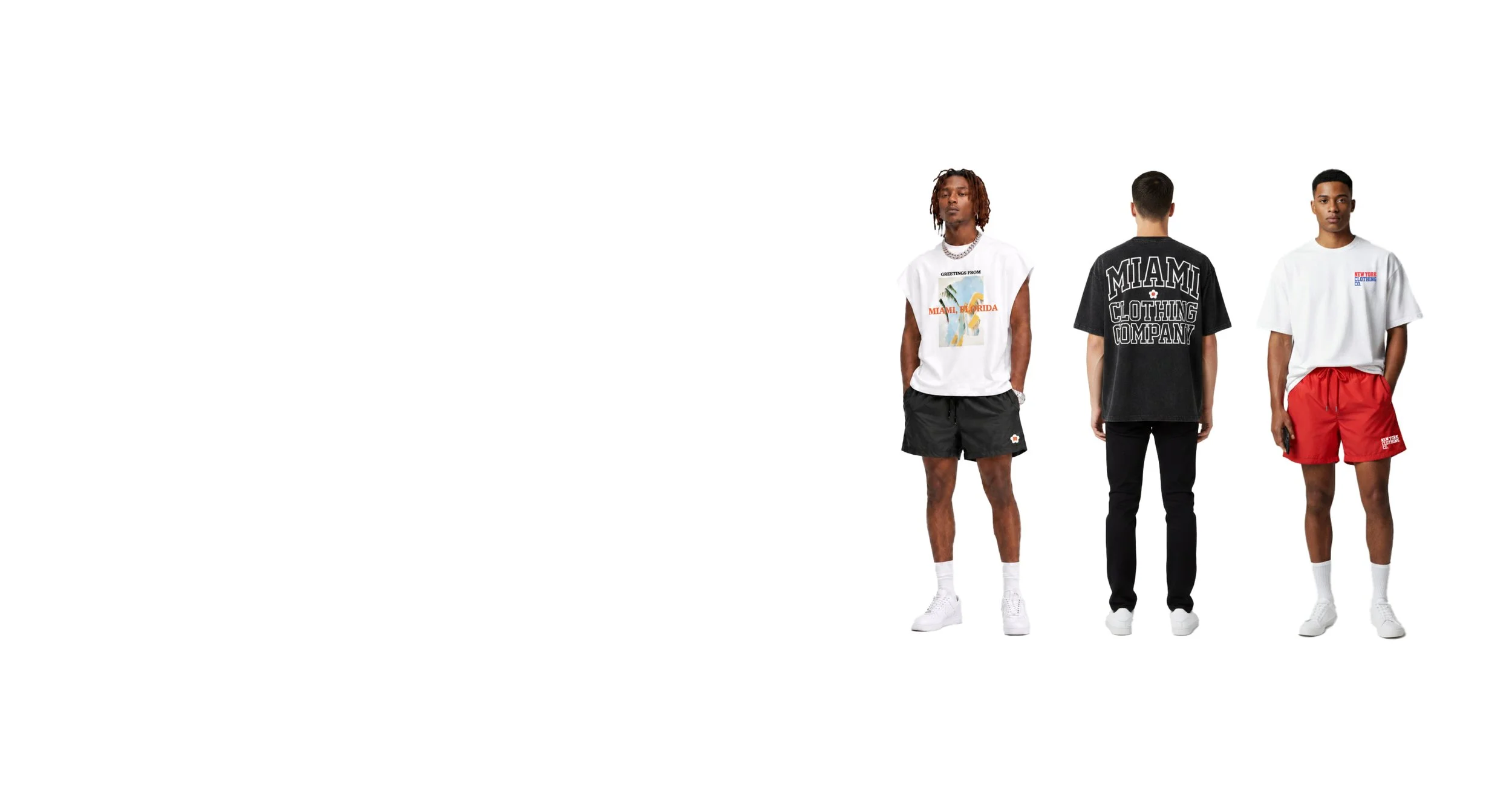
Clothing Company Studios is an independent fashion and creative platform built to develop culturally connected city-based brands, products, campaigns, and experiences.
The portfolio currently includes Miami Clothing Company and New York Clothing Company, with Clothing Company Studios serving as the strategic and creative parent brand.
ROLE
Founder / Creative Director
TIMELINE
2023 - Present
INDUSTRY
Fashion / Lifestyle
PLATFORM
Shopify / Social / Pop-ups
DELIVERABLES
Brand Architecture, Visual Identity, Apparel Graphics, Product Development, E-commerce, Campaign Design, Paid media, Retail Material, Events


Launched a complete DTC brand and website from the ground up
Designed a conversion-focused shopping experience on Shopify

Built email flows that drove repeat purchases and engagement


Created a cohesive brand experience across web, packaging, and social
Established a scalable foundation for future growth and products
What is Clothing Company Studios?
Clothing Company Studios is a consumer fashion and lifestyle company built to house a growing portfolio of city-inspired brands, including Miami Clothing Company and New York Clothing Company.
The company was created to provide a scalable brand structure that could support individual city identities while maintaining a consistent level of quality, storytelling and customer experience across the larger business.
Each brand is designed to feel culturally specific while operating within a shared ecommerce, marketing and operational system.
What problem existed?
The business initially began with Miami Clothing Company as an independent apparel brand. As the product line and long-term vision grew, the existing structure became limiting.
The brand needed to solve several problems:
Create a clearer relationship between Miami Clothing Company, New York Clothing Company and future city brands
Build a cohesive digital shopping experience
Improve how products were presented and discovered online
Establish trust as an independent direct-to-consumer brand
Create consistent visual standards across web, packaging, email and social media
Develop a scalable ecommerce system that could grow without rebuilding the brand each time a new collection or city launched
Balance strong creative storytelling with practical conversion and business goals
The larger opportunity was to evolve from selling individual apparel products into building a recognizable multi-brand ecosystem.
Who were the users?
Primary customers
Fashion-conscious consumers interested in city culture and streetwear
Customers with personal connections to Miami or New York
Sports, music and lifestyle audiences
Shoppers looking for premium, culturally relevant apparel
Existing social-media followers and returning customers
Secondary users
Wholesale buyers
Boutique owners
Influencers and athletes
Stylists, managers and agents
Brand collaborators
Event and pop-up customers
These audiences required different levels of information. Direct customers needed product clarity and trust, while wholesale and partnership audiences needed a clear brand story, product presentation and professional business materials.
1.CONTEXT
What was difficult?
The biggest challenge was building the brand while also operating the business.
Every design decision affected more than visual appearance. It influenced:
Customer trust
Product perception
Website conversion
Marketing performance
Wholesale conversations
Production costs
Inventory
Packaging
Long-term scalability
The project also required balancing multiple city brands without allowing the overall identity to become inconsistent or confusing.
What constraints existed?
Limited startup resources compared with established fashion companies
A small team with many responsibilities handled directly by the founder
Limited initial customer data
The need to build awareness while still refining the product and brand
Different visual identities for Miami and New York that could not be mixed
Ecommerce limitations within an existing Shopify structure
Product photography, content and campaign production had to remain cost-conscious
Inventory and production decisions had direct financial consequences
Marketing needed to work across digital, wholesale, events and physical retail
The brand had to look established while still operating as an emerging company
What needed to improve?
The brand needed:
Clearer brand architecture
Stronger product storytelling
More consistent visual standards
Better navigation and product discovery
A more conversion-focused shopping experience
Improved email capture and retention
Stronger trust signals
Clearer product details, shipping and return information
A scalable system for future collections and city brands
A unified customer journey across web, social, packaging and in-person events
2.CHALLENGE
I founded Clothing Company Studios and owned the brand and customer experience from strategy through execution.
My responsibilities included:
Defining the business and brand vision
Creating the Clothing Company Studios umbrella structure
Positioning Miami Clothing Company and New York Clothing Company within the portfolio
Developing the visual identities for each brand
Establishing color, typography and logo standards
Designing and managing the Shopify ecommerce experience
Creating the website information architecture and navigation
Designing product pages, homepage content and campaign landing pages
Writing and refining brand and product messaging
Planning product launches and seasonal campaigns
Directing photography and visual content
Designing apparel graphics and product collections
Developing packaging and customer-facing materials
Building email capture and lifecycle marketing flows
Creating social-media content and paid marketing creative
Developing wholesale materials, line sheets and partner presentations
Managing customer feedback and service touchpoints
Reviewing website behavior and refining the experience
Coordinating production, inventory, marketing and events
Building systems that could support future brands and product categories
I did not only design how the company looked. I designed how customers discovered, understood, purchased and experienced the brand.
3.MY ROLE
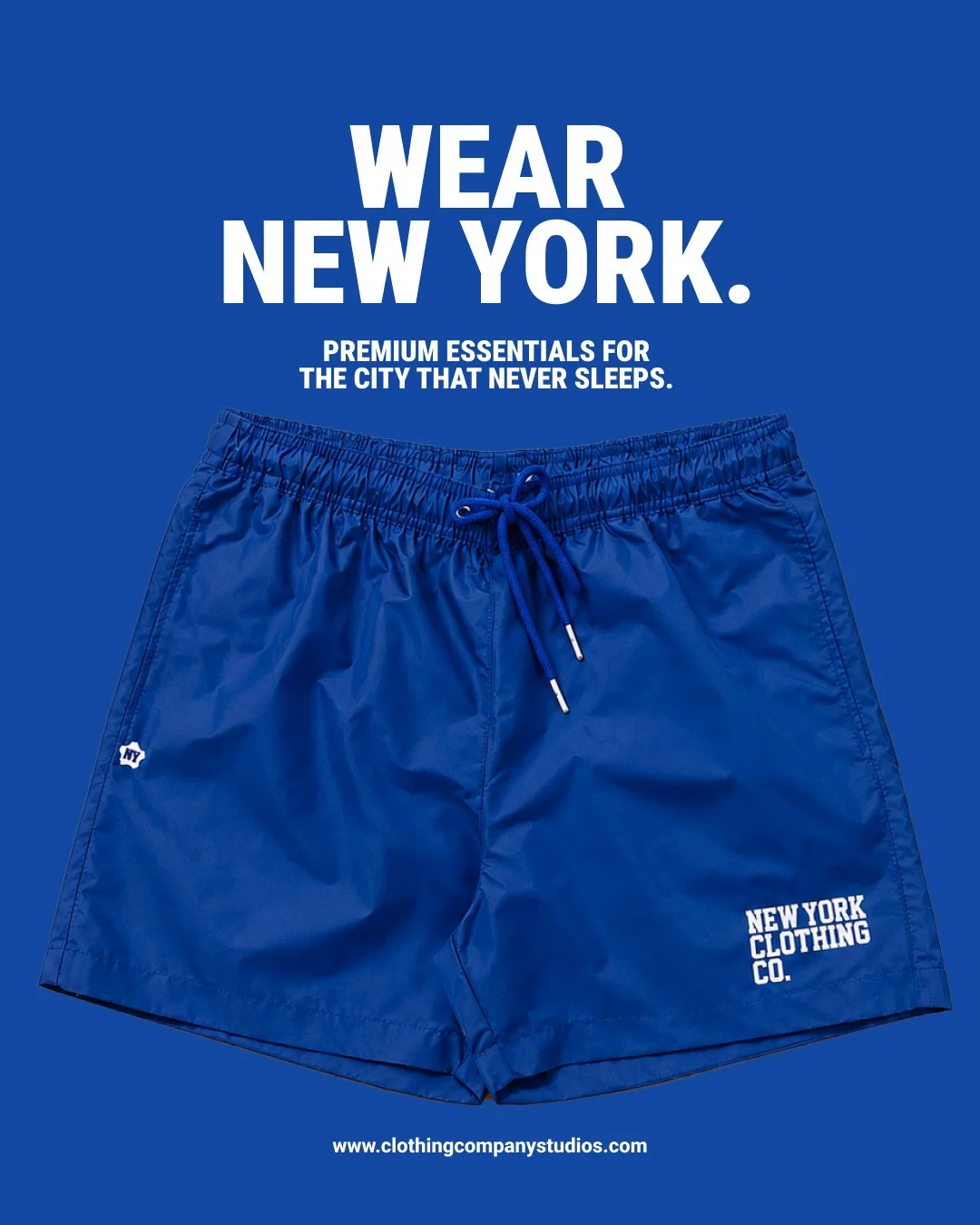
SAMPLE WORK
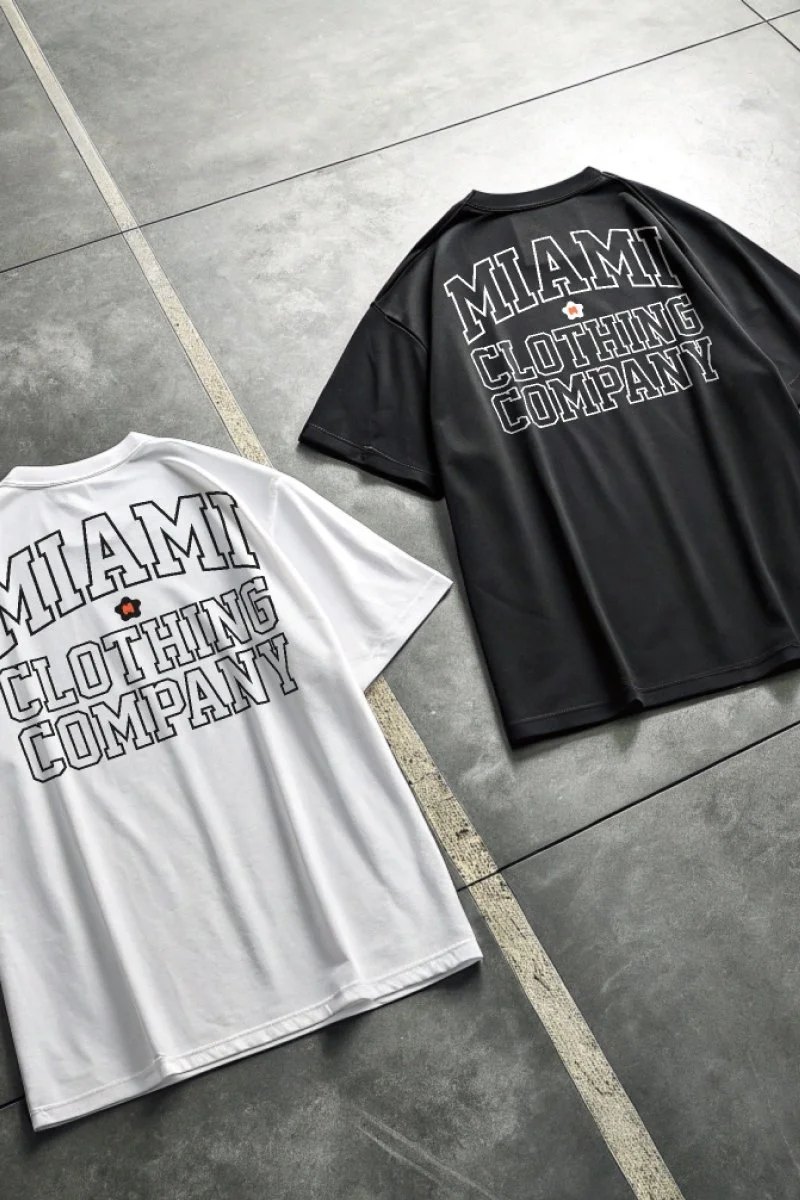
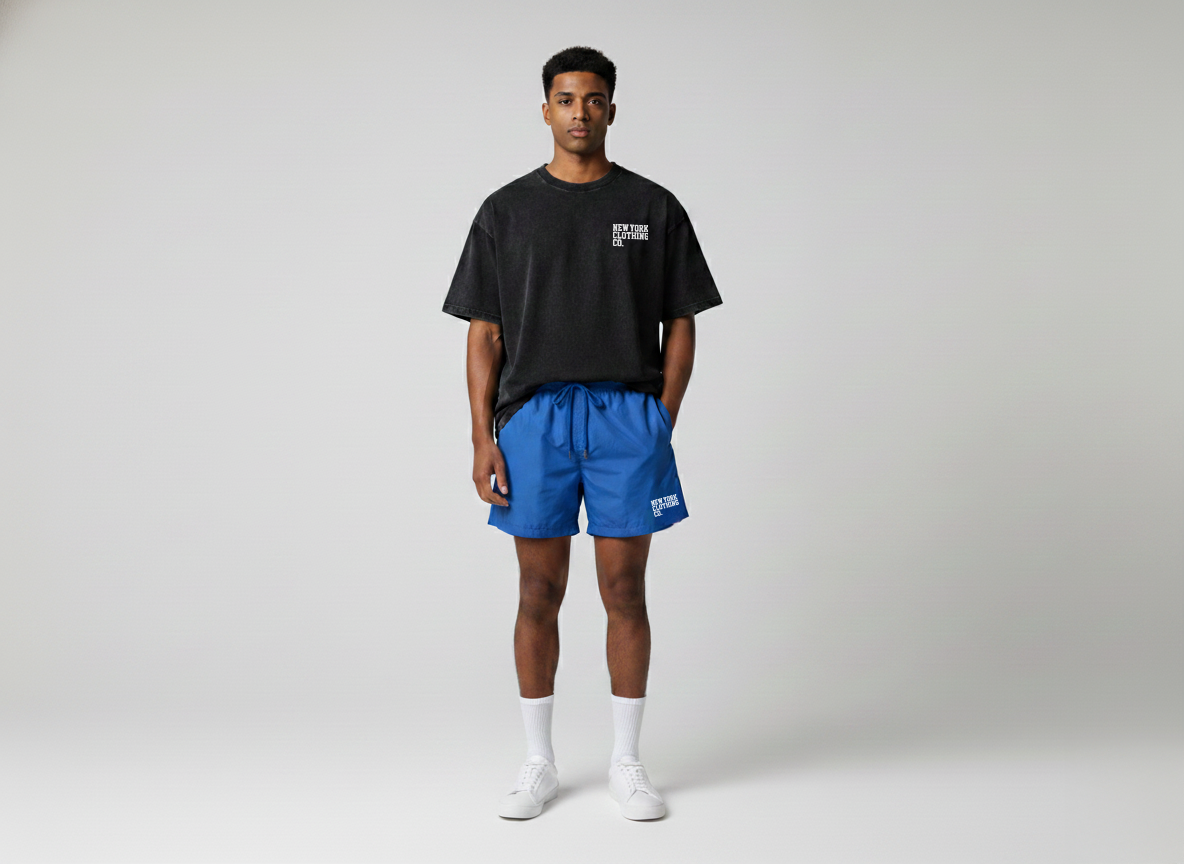
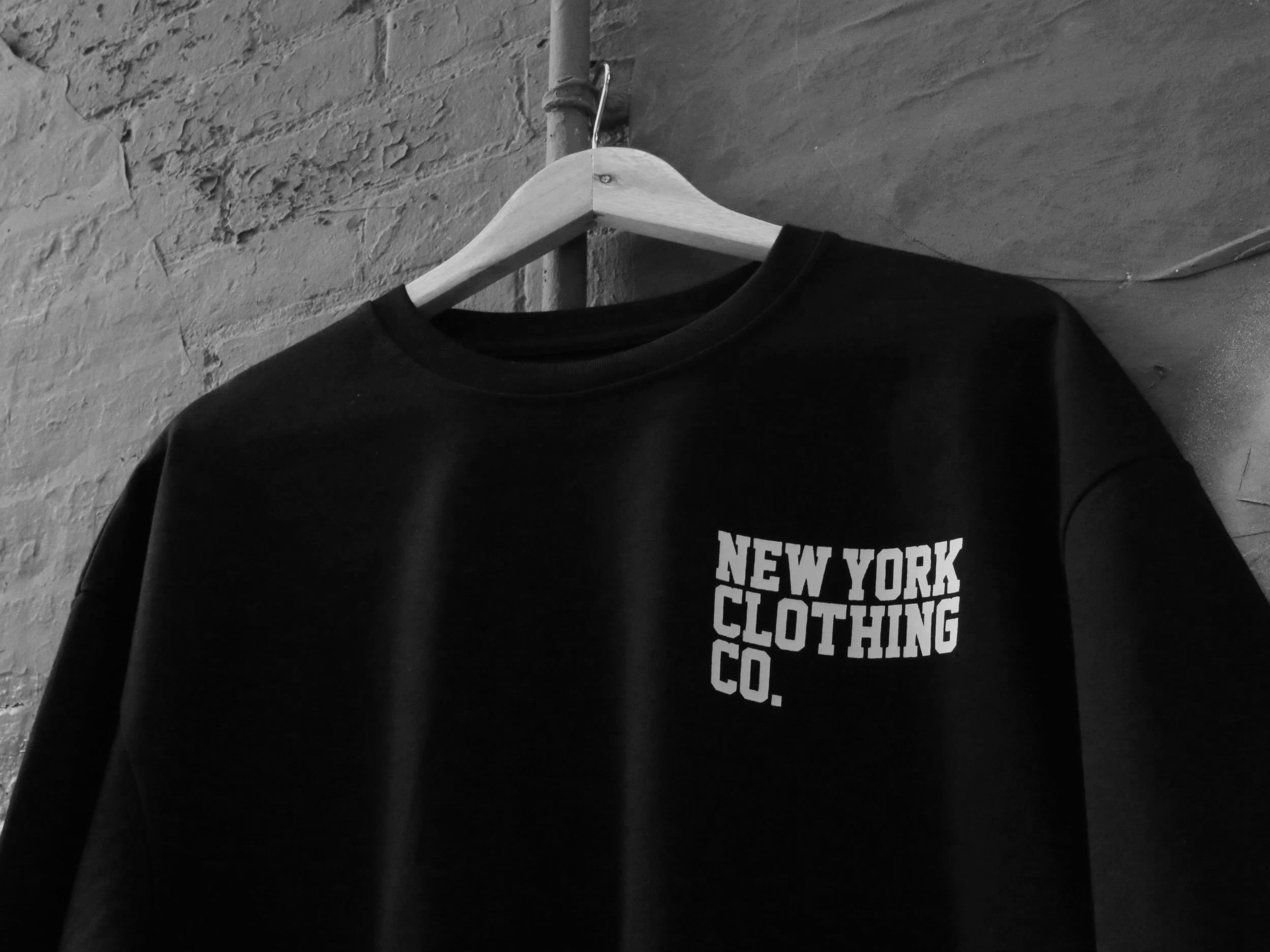
User research
Research came from a combination of direct customer interaction and real business activity.
Sources included:
Customer conversations at pop-ups and events
Feedback through Instagram and direct messages
Questions received before and after purchases
Email inquiries
Conversations with boutique owners and wholesale buyers
Customer reactions to products, colorways and pricing
Website behavior and ecommerce analytics
Feedback from friends, collaborators, athletes and brand partners
Observations from in-person retail and event environments
These interactions helped reveal where customers felt confident and where they needed more clarity.
Customer needs identified
Customers wanted:
A clear understanding of the brand story
Confidence in product quality
Accurate sizing and product information
Easy mobile shopping
Clear shipping and return policies
Strong product photography
A sense of exclusivity without confusion
Consistent communication before and after purchase
A connection to the culture represented by each city brand
Wholesale and partnership users needed:
Clear pricing and product information
Strong visual presentation
Professional line sheets
Reliable communication
Confidence that the brand could deliver consistently
A clear distinction between the different city collections
Competitor analysis
I reviewed direct-to-consumer streetwear and lifestyle brands across several areas:
Homepage structure
Product photography
Product-page hierarchy
Navigation
Brand storytelling
Email capture
Drop-based launch strategies
Social proof
Mobile shopping
Packaging
City-based positioning
Wholesale presentation
The goal was not to copy established brands. It was to understand the expectations customers already had when shopping for premium streetwear online.
Key competitor observations
Strong brands tended to:
Communicate their identity immediately
Use a focused visual system
Prioritize mobile shopping
Create urgency around product releases
Use editorial photography to elevate products
Keep product pages visually simple
Build trust through clear policies and consistent content
Make customers feel part of a community rather than only buyers
Business goals
The project needed to support:
Direct-to-consumer revenue
Wholesale growth
Repeat purchases
Higher brand recognition
Email-list growth
Stronger conversion
Expansion into additional city brands
More efficient product launches
Strategic retail and cultural partnerships
A scalable foundation for long-term growth
Key insights
Customers buy both the product and the story
The location, culture and identity behind each brand were central to customer interest.
Trust is especially important for emerging brands
Clear product details, policies, photography and communication reduce hesitation.
Mobile is the primary shopping environment
The experience needed to be designed around smaller screens rather than treated as a desktop site adapted later.
Brand consistency influences perceived quality
When web, email, packaging and social feel connected, the company appears more credible and established.
The umbrella brand needed flexibility
Clothing Company Studios had to create structure without making Miami and New York feel identical.
4.RESEARCH
Iterations
Iteration 1: Product-first presentation
The initial site focused heavily on showing the products.
Issue: The brand story and larger vision were not immediately clear.
Iteration 2: Stronger brand storytelling
The homepage was updated to communicate the identity and cultural positioning more clearly.
Improvement: Customers could understand the meaning behind the products before browsing.
Iteration 3: Clearer brand architecture
Clothing Company Studios became the umbrella, with Miami Clothing Company and New York Clothing Company presented as distinct brands.
Improvement: The business gained a scalable structure for future expansion.
Iteration 4: Conversion-focused improvements
The experience was refined through:
Clearer calls to action
Improved product hierarchy
Stronger mobile layouts
Better product descriptions
Clearer shipping and return information
Email capture
Homepage social proof
Improved inquiry messaging
Iteration 5: Retention and lifecycle thinking
Email flows and post-purchase communication were developed to strengthen engagement beyond the initial sale.
UI design
The interface was designed to feel:
Premium
Minimal
Product-focused
Mobile-first
Editorial
Easy to navigate
Consistent with contemporary fashion ecommerce
The design emphasized strong imagery, clear typography, intentional spacing and direct calls to action.
Design system
The design system included:
Brand-specific color palettes
Typography hierarchy
Button styles
Grid and spacing rules
Product-card patterns
Image-ratio standards
Email styles
Social templates
Packaging elements
Campaign layouts
Consistent voice and messaging principles
This system helped maintain consistency while allowing different campaigns and city brands to feel distinct.
5.DESIGN PROCESS
The final solution was an end-to-end brand and ecommerce system that connected:
Brand identity
Product
Website
Email
Social media
Packaging
Marketing
Wholesale
Customer service
Physical events
The Shopify experience gave customers a clear path from discovering the brand to completing a purchase.
The larger Clothing Company Studios structure allowed the business to grow beyond one city while preserving the cultural identity of each brand.
Core solution components
Ecommerce platform
A mobile-first Shopify storefront designed around product discovery, brand storytelling and conversion.
Brand architecture
A parent company structure that supports multiple city brands without weakening their individual identities.
Product storytelling
Photography, copy and campaign design were used to position products as cultural objects rather than generic apparel.
Customer communication
Email capture, launch communication, post-purchase messaging and customer-service touchpoints supported the full lifecycle.
Packaging experience
Packaging extended the identity beyond the website and reinforced the brand after purchase.
Wholesale system
Line sheets and brand materials helped communicate the product and company professionally to retail partners.
Scalable creative system
Reusable templates and brand standards made it easier to launch new products, campaigns and cities while maintaining consistency.
6.SOLUTION
BRANDING
PARENT BRAND
The umbrella brand that unifies our ecosystem.
SUB-BRAND
Vibrant, coastal, expressive, Made for Miami.
SUB-BRAND
Bold, urban, expressive,
Made for New York.
COLOR
MIAMI CLOTHING COMPANY
#F47820
#009B77
#FFFFFF
#000000
NEW YORK CLOTHING COMPANY
#003DA5
#CE1126
#FFFFFF
#000000
Academic M54 - PRIMARY TYPEFACE - Used across all brands for consistency and clarity
TYPOGRAPHY
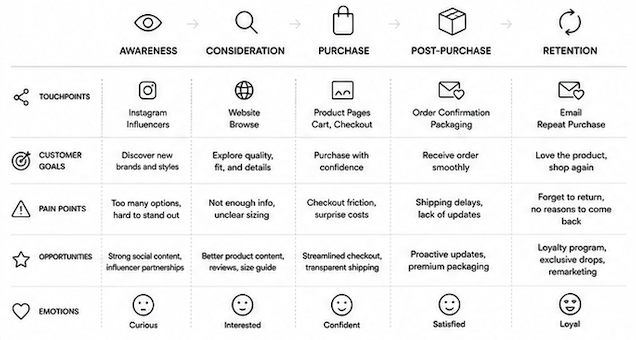
CUSTOMER JOURNEY MAP
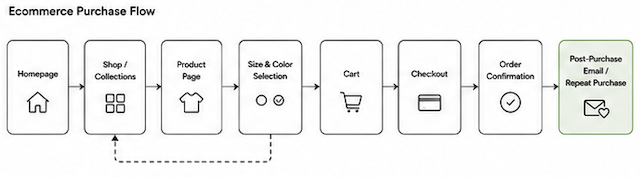
USER FLOW
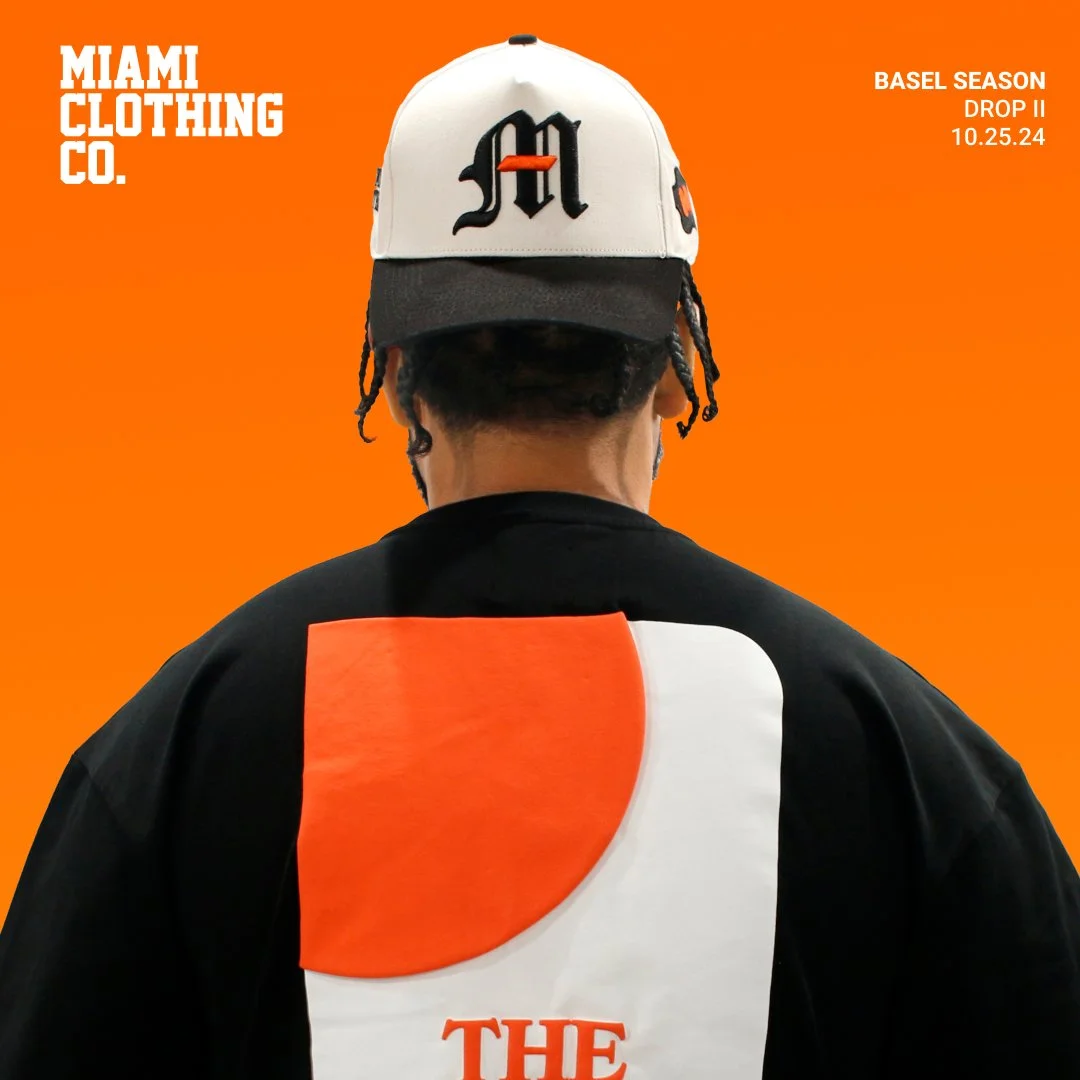
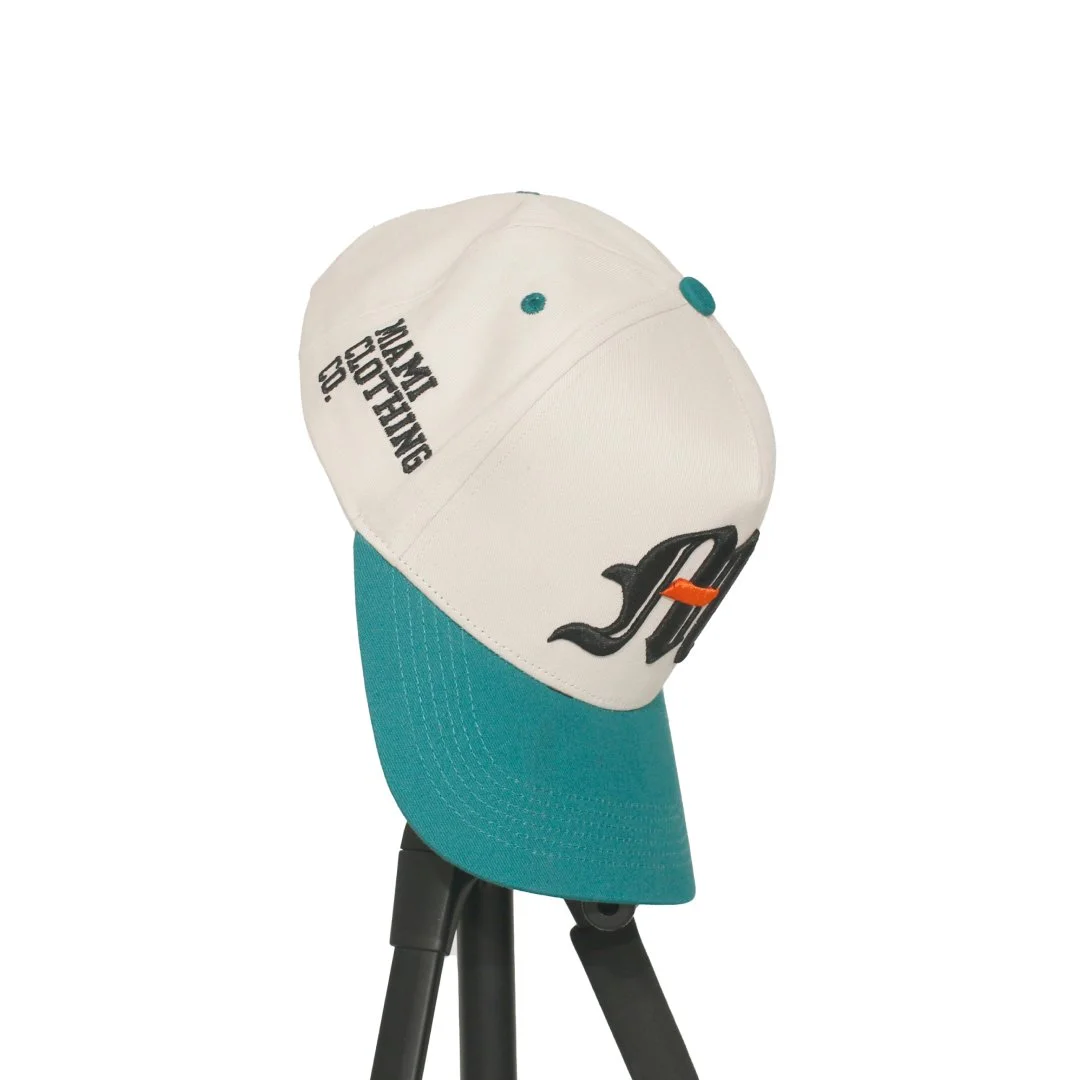
SAMPLE WORK
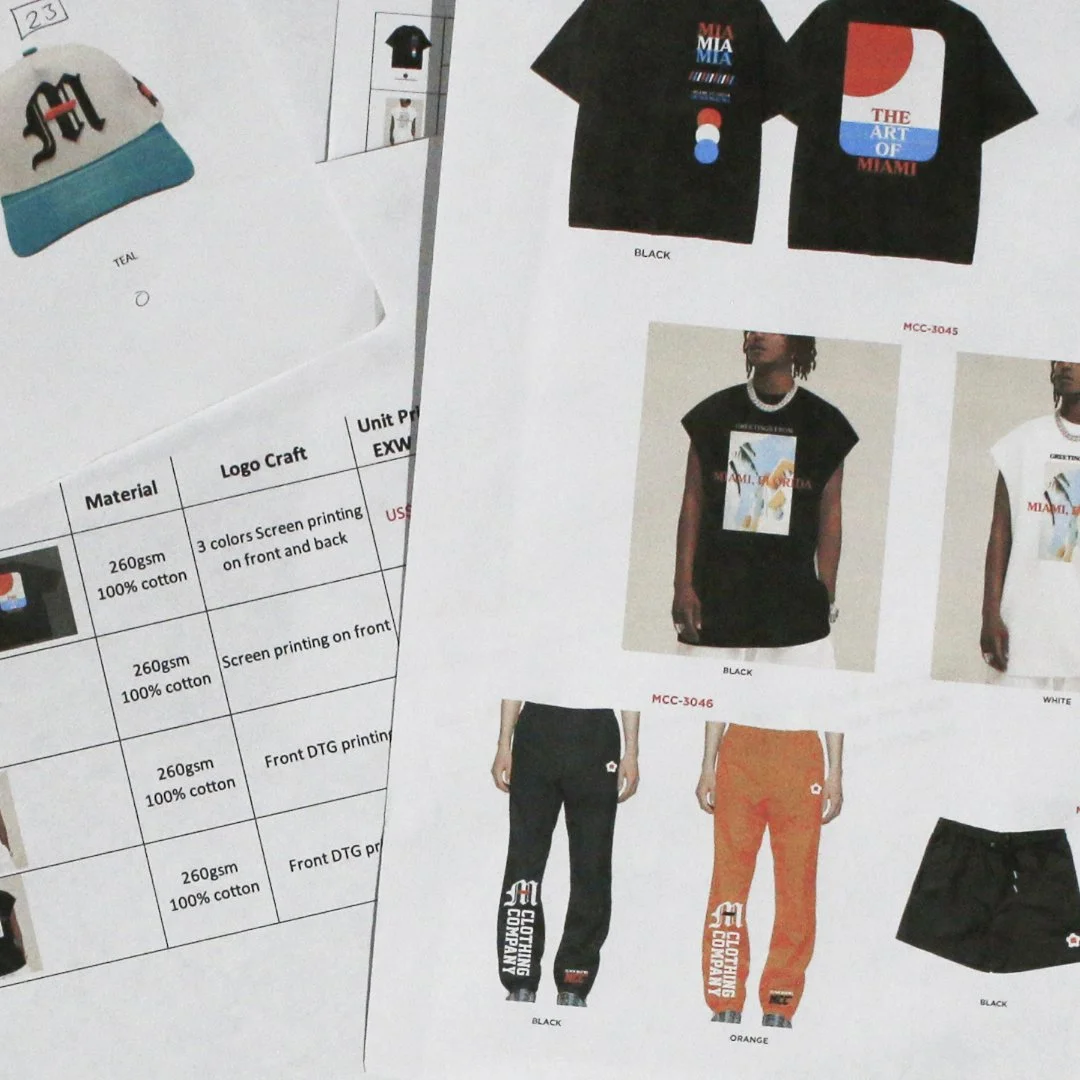
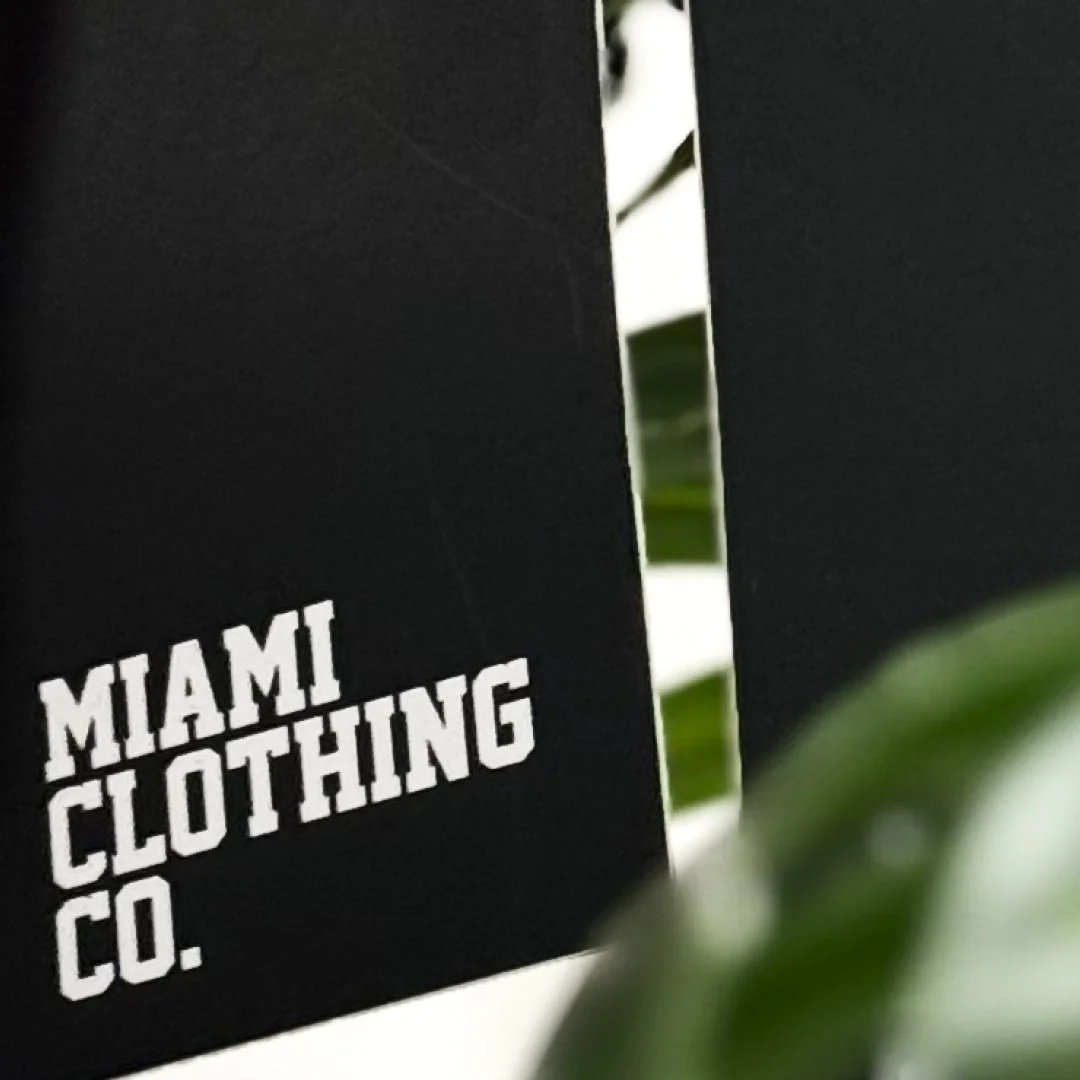
Brand launch and growth
Launched a complete direct-to-consumer brand and website from the ground up
Expanded from Miami Clothing Company into the broader Clothing Company Studios system
Introduced New York Clothing Company under the same scalable structure
Built a foundation that can support future city brands and product categories
Revenue and retail traction
The company generated revenue through a combination of:
Direct ecommerce
Pop-ups and events
Wholesale
Boutique partnerships
Product launches
The brand secured wholesale and retail interest, including product placement and reorder activity with independent retail partners.
A strong verified portfolio statement could be:
Expanded the business beyond direct-to-consumer sales by securing wholesale placements and repeat retail orders.
Engagement
The brand built engagement through:
Social content
Email campaigns
Influencer relationships
Athlete product placement
Events and pop-ups
Organic customer interaction
City-specific storytelling
Potential metrics to add:
Email-list growth
Social engagement rate
Traffic from campaigns
Event attendance
Repeat customers
Influencer reach
7.BUSINESS IMPACT
Conversion
The ecommerce experience was designed to improve conversion through:
Clearer product presentation
Mobile-first layouts
Stronger calls to action
Better product details
Clear shipping and return information
Trust-building content
Simplified navigation
Email capture
Potential metrics to verify:
Conversion-rate change
Add-to-cart rate
Checkout completion
Bounce-rate reduction
Product-page engagement
Average order value
Customer trust
Trust was strengthened through:
Professional visual consistency
Clear policies
Reliable communication
Strong product photography
Customer reviews
Branded packaging
Clear inquiry and support messaging
Consistent delivery across touchpoints
Brand consistency
The design system created a unified experience across:
Website
Email
Packaging
Social
Campaigns
Events
Wholesale presentations
At the same time, each city brand maintained a distinct and recognizable identity.
Efficiency
Reusable systems reduced the need to recreate every asset from the beginning.
Examples included:
Reusable product-page structures
Email templates
Campaign layouts
Social-media templates
Packaging standards
Brand guidelines
Photography direction
Launch workflows
Production
The system created clearer standards for:
Artwork preparation
Product presentation
Photography
Packaging
Marketing assets
Brand approval
Wholesale documentation
Automation
Automation opportunities included:
Shopify inventory and order management
Customer-email flows
Abandoned-cart communication
Welcome campaigns
Post-purchase communication
Product-release scheduling
Reusable creative templates
AI also supported parts of the workflow such as:
Content ideation
Product copy
Campaign planning
Competitive analysis
Customer communication
Workflow documentation
Design exploration
Speed
A reusable system made it possible to:
Launch products faster
Build campaign materials more efficiently
Update the site without redesigning every page
Repurpose content across channels
Maintain consistency during quick-turn releases
Scalability
The most important business outcome was creating a foundation that could grow.
The brand can now scale across:
Additional products
New collections
New city brands
Wholesale accounts
Retail partnerships
Events
Collaborations
Expanded ecommerce experiences
Design decisions have direct business consequences
Running the company taught me that every design choice affects customer trust, conversion, cost, production and brand perception.
A brand is a complete experience
The logo and apparel are only part of the system. The website, packaging, customer service, email, photography and delivery experience all shape how the customer evaluates the brand.
Consistency builds credibility
Emerging brands often compete against larger companies with more resources. A consistent customer experience can help close that credibility gap.
Research does not always happen in a laboratory
Some of the most valuable insights came from direct customer questions, pop-up conversations, retail feedback and real purchasing behavior.
Creative direction must support commercial goals
A strong idea still needs to work within budget, production, inventory and conversion constraints.
Mobile design is essential
Most customers encounter the brand through social media and shop through their phones. The mobile experience cannot be treated as secondary.
Systems create room for creativity
Reusable design and operational systems reduced repeated work and created more time for campaign ideas, storytelling and product development.
Building the business made me a stronger product designer
Owning the full customer journey forced me to connect user needs, brand goals, technical limitations and business performance. It taught me to move beyond individual deliverables and think about the entire ecosystem.
The brand should continue to be measured and refined
The next phase should include:
More structured usability testing
Deeper analytics review
Customer segmentation
A/B testing
Stronger retention measurement
Expanded personalization
Continued wholesale growth
More refined city-brand navigation
8.LEARNINGS
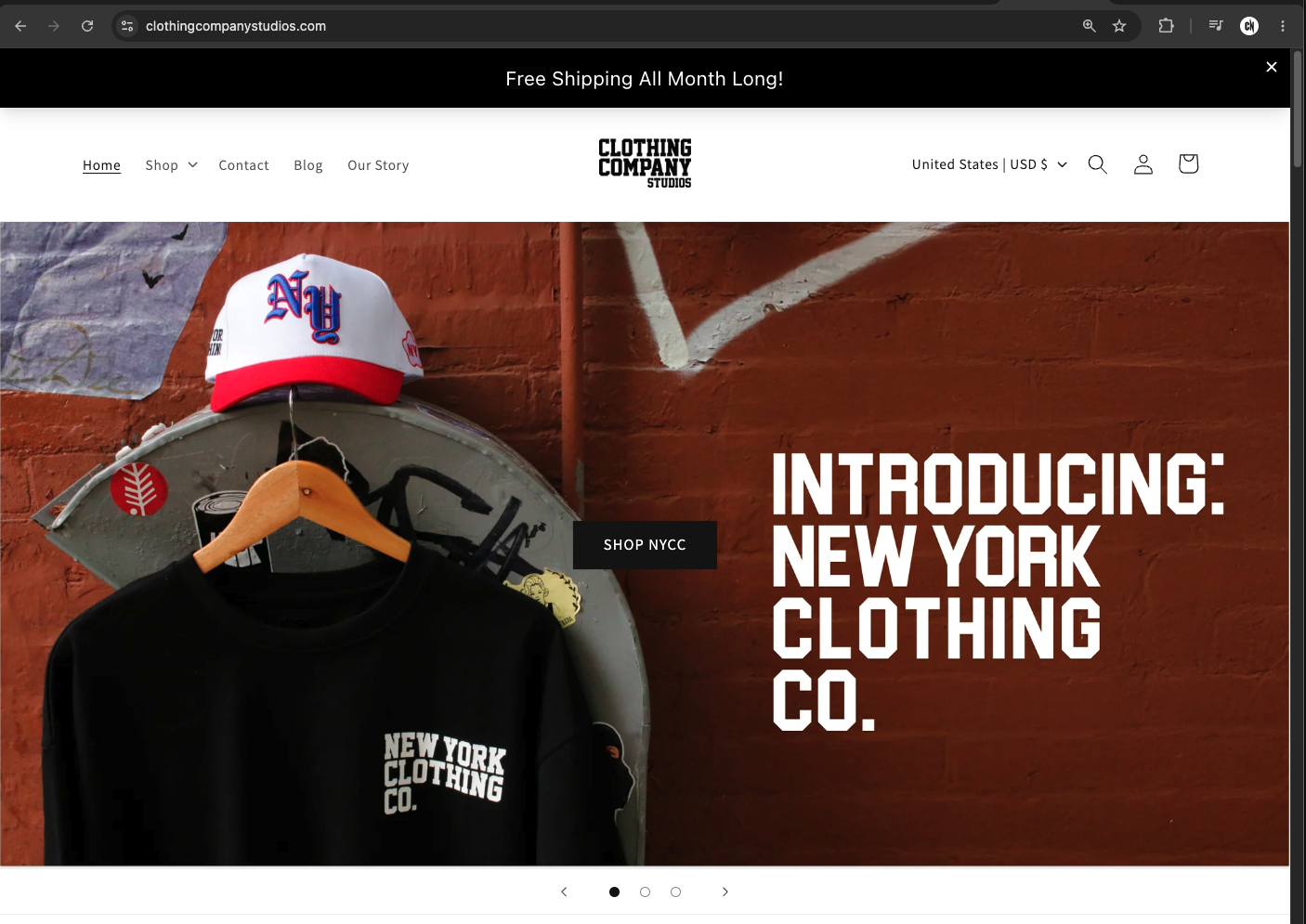
WEB EXPERIENCE
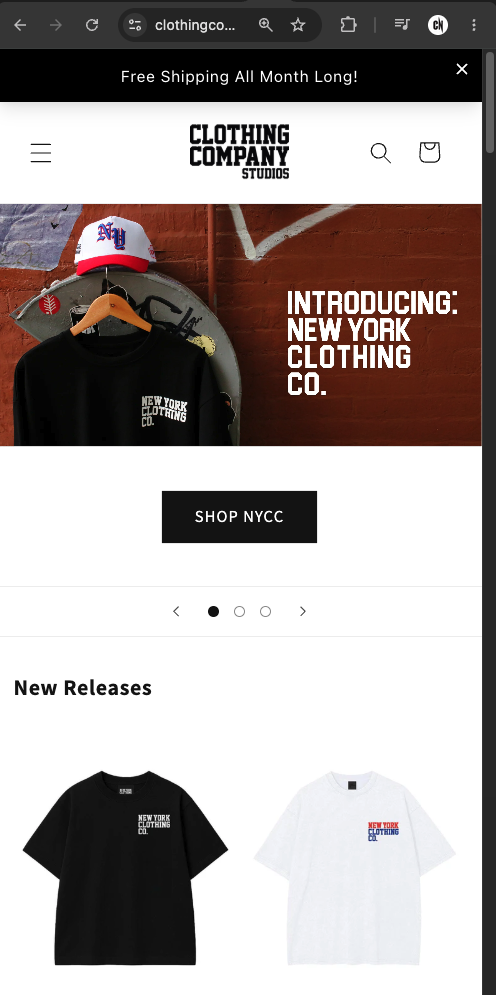
WHAT I DELIVERED


BRAND STRATEGY
VISUAL DESIGN


UI/UX DESIGN
DESIGN SYSTEMS


E-COMMERCE
ART DIRECTION
CAMPAIGNS
DIGITAL PRODUCTS


TOOLS AND AUTOMATION




ADOBE INDESIGN
FIGMA


CLAUDE
CHATGPT
ADOBE ILLUSTRATOR
ADOBE PHOTOSHOP